Pick a number to learn about
#1 - PET (Polyethylene Terephthalate)
PET, also known as PETE or polyethylene terephthalate, is among the most common types of plastic. It's a lightweight, clear resin, and is more energy efficient to produce and transport than other types of plastic. This transparent type of plastic is most commonly used for food packaging because of its strength and temperature resistance. It’s also highly shatter resistant.
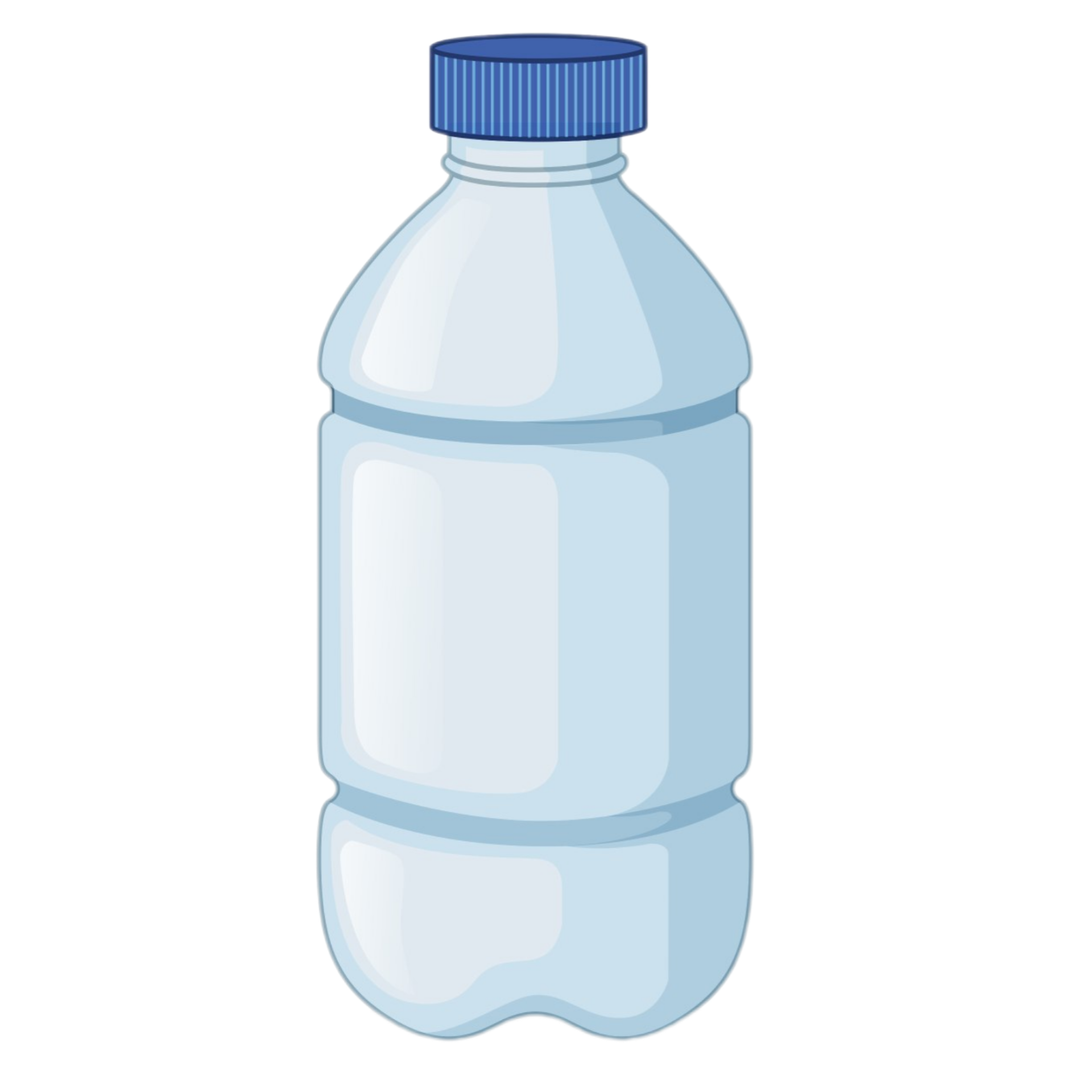
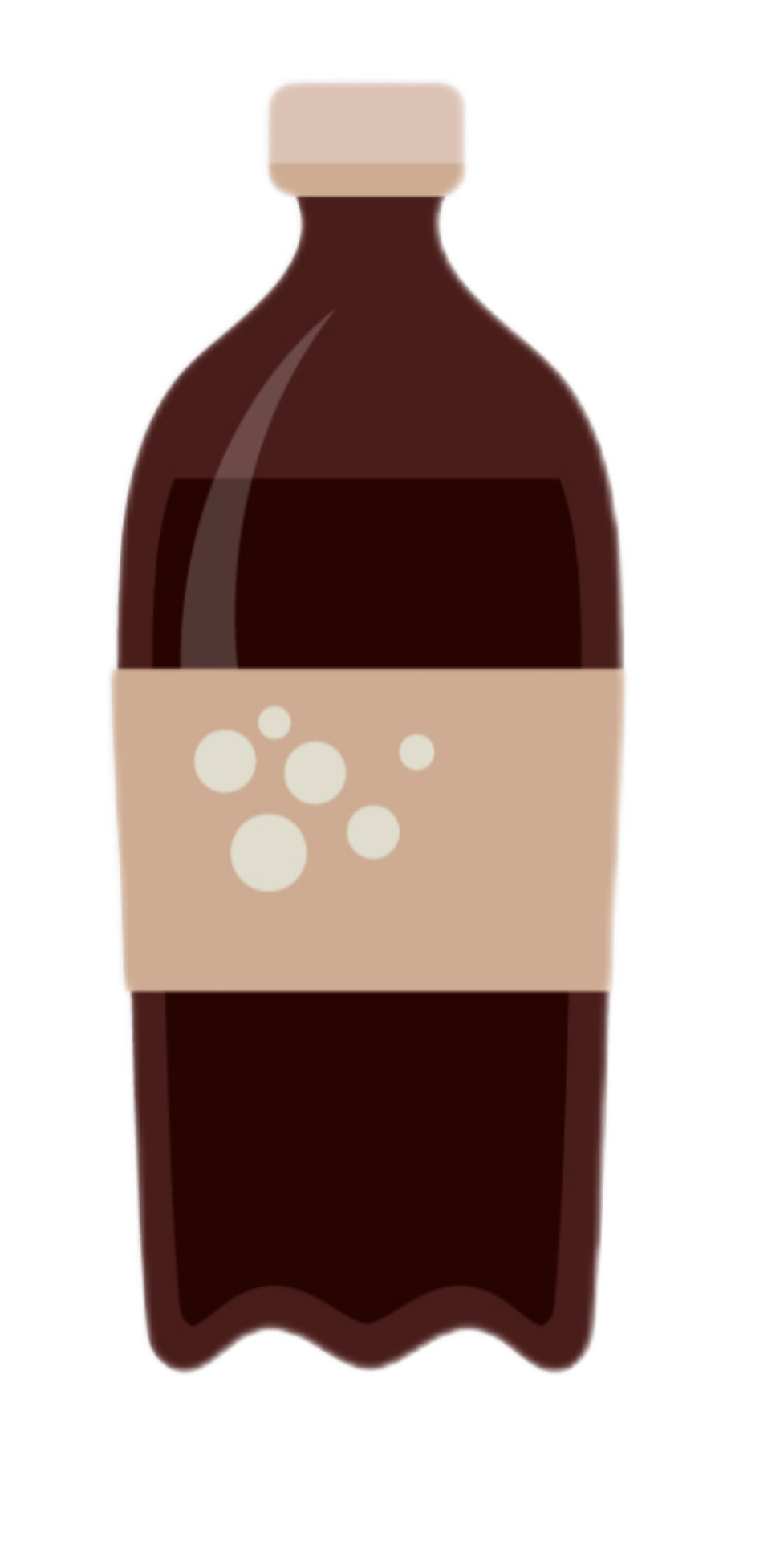
Common products: Soft drink, juice, and water bottles, peanut butter and cooking oil jars, and mouthwash.
Can it be recycled? Yes – PET is fully recyclable, and is in fact the most recycled plastic worldwide.

#2 - HDPE (High-Density Polyethylene)
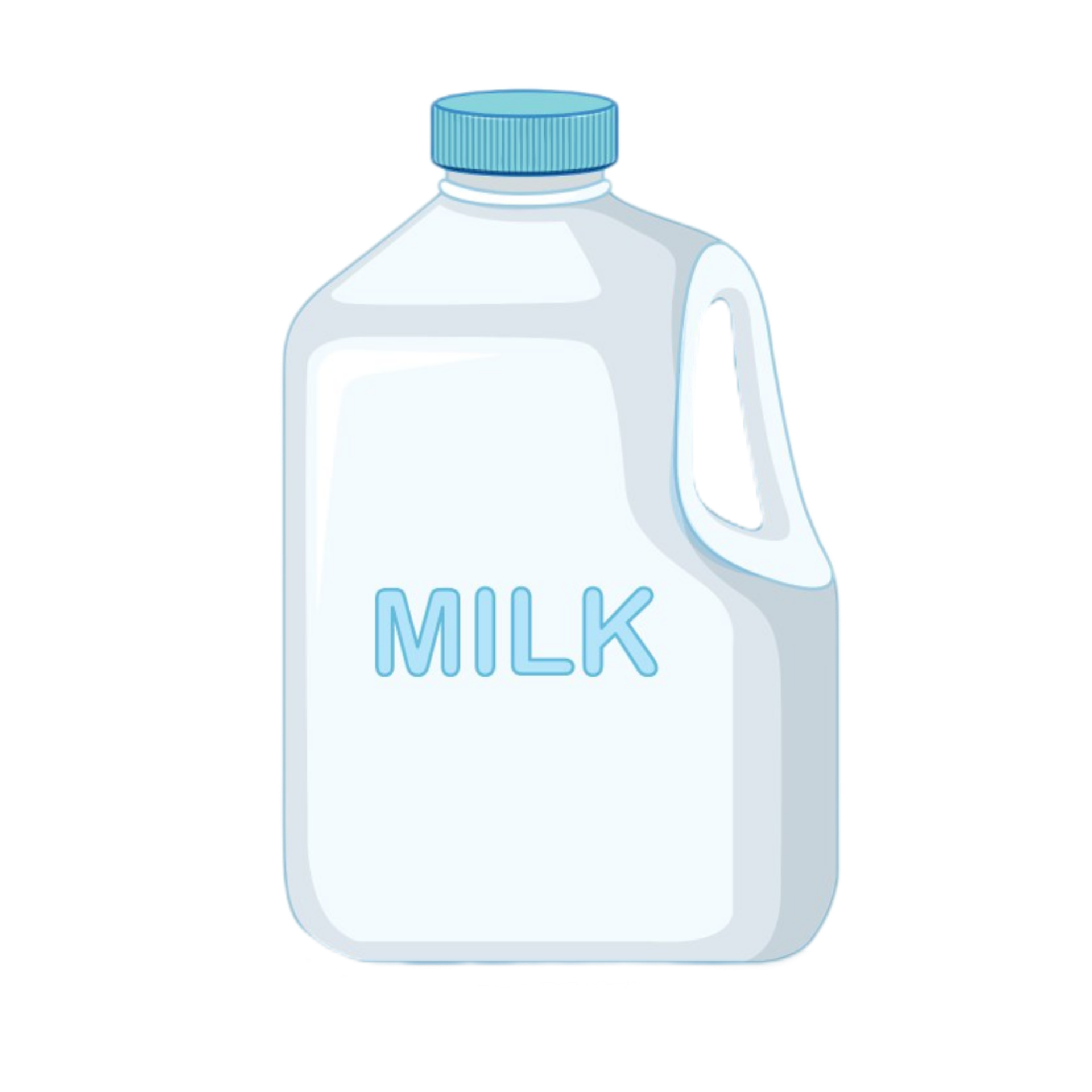
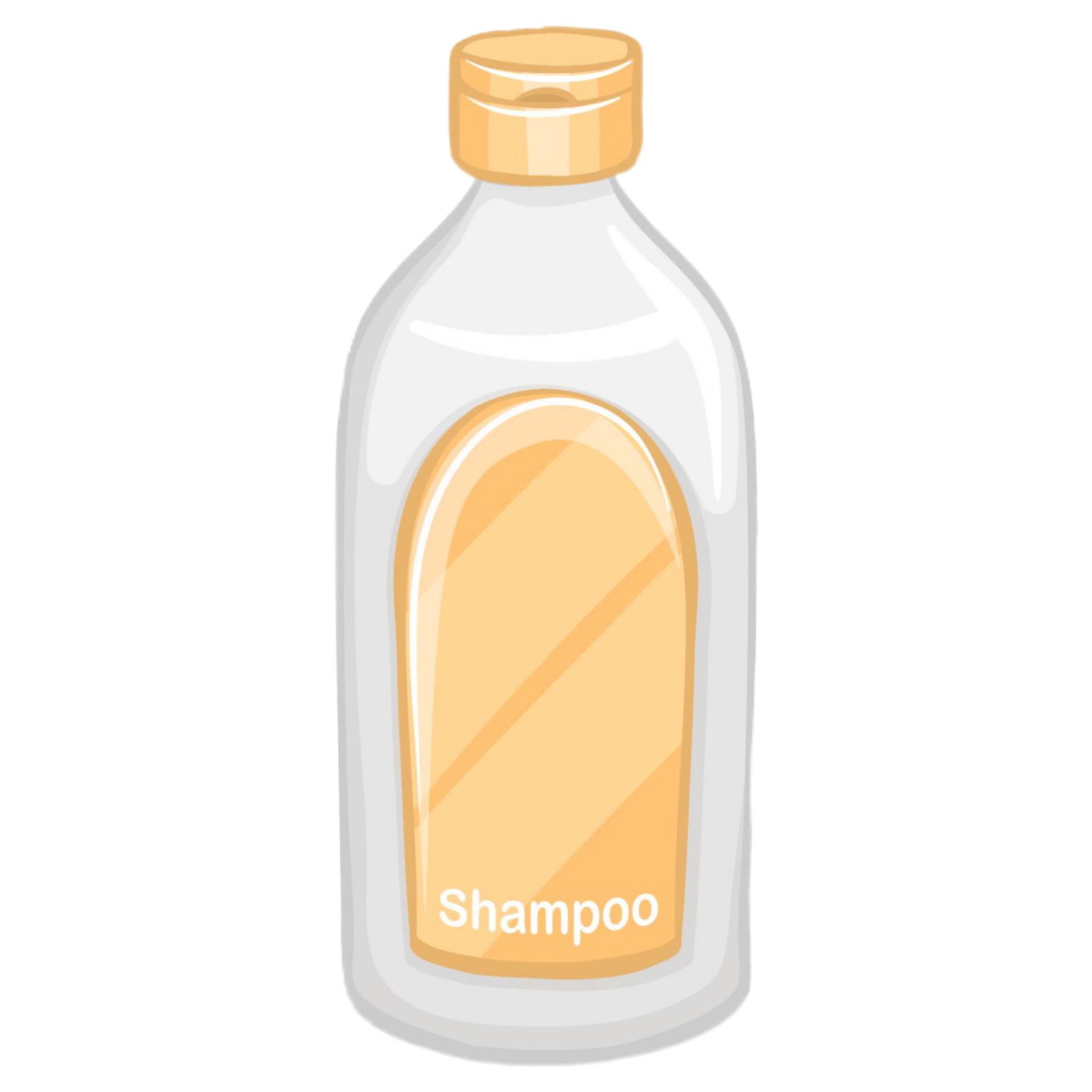
HDPE stands for high-density polyethylene, an opaque plastic made with petroleum. It's another common type of plastic for consumer goods because it's rigid, durable, and can withstand stress – therefore, it has a wide variety of uses.
Common products: Milk jugs, bottle caps, grocery and bread bags, detergent bottles, fuel cans, shampoo bottles, outdoor furniture, plastic mailing envelopes, and milk crates.
Can it be recycled? Yes, HDPE is generally accepted at most recycling centers.


#3: Polyvinyl Chloride (PVC, Vinyl)
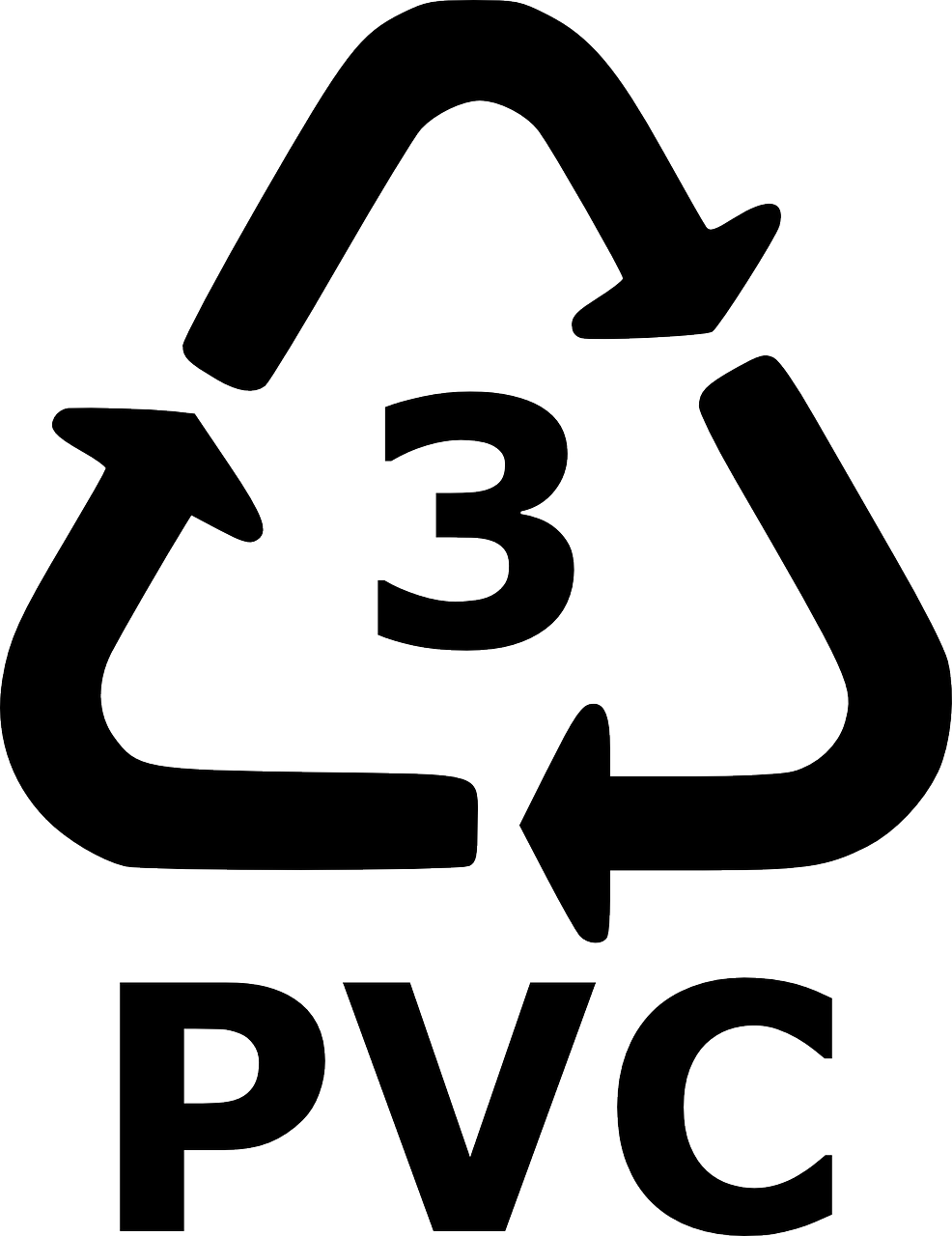
PVC, also known as polyvinyl chloride or vinyl, is the third most widely-used type of plastic in the world. It is a soft, flexible plastic, so it’s used for a huge array of household products.
Common products: Siding, window frames, plumbing, flooring, bank and membership cards, plastic tubing, kids’ toys, inflatable items.
Can it be recycled? PVC is not recyclable plastic.

#4: Low Density Polyethylene (LDPE)
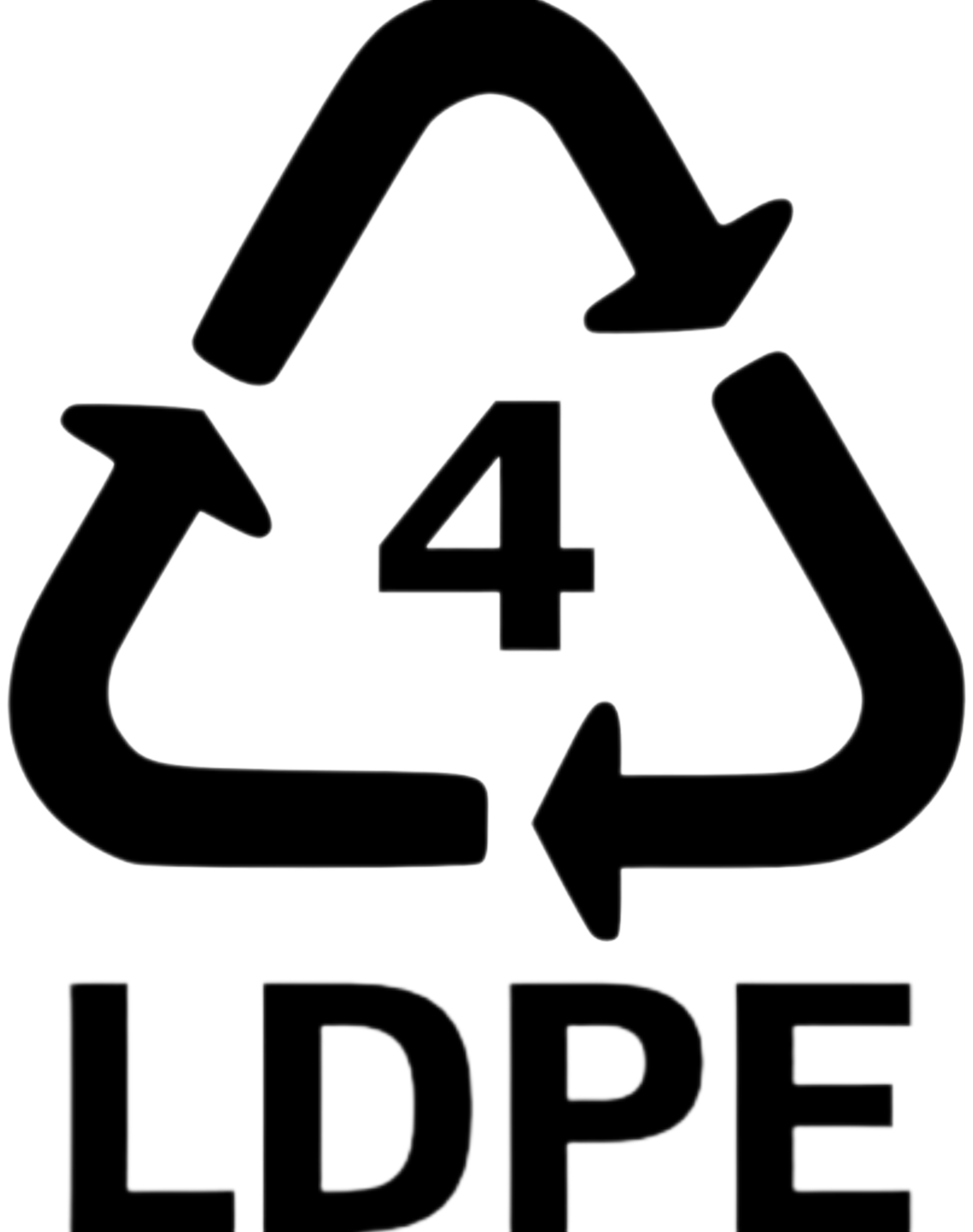
Low-density polyethylene, or LDPE, is HDPE's less-rigid counterpart. It's relatively transparent, and is less dense but more resilient than other types of plastic. A lot of plastic wrappings are made of LDPE plastic.
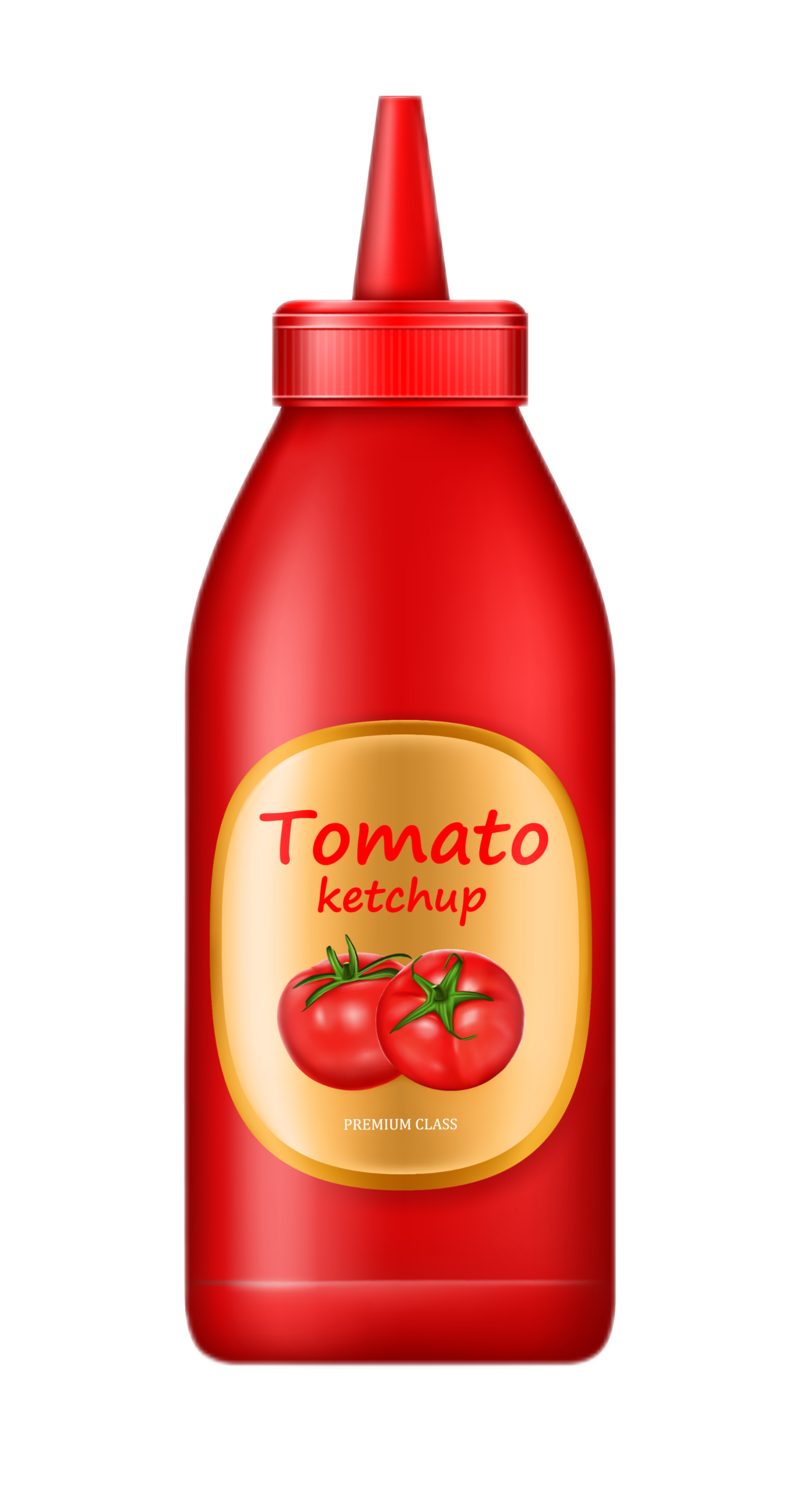
Common products: Bread wrappers, cling wrap, grocery, trash and dry cleaning bags, thin container lids, squeezable bottles, and the lining of diapers, paper juice cartons, and coffee cups.
Can it be recycled? LDPE products can sometimes be recyclable.

#5: Polypropylene (PP)
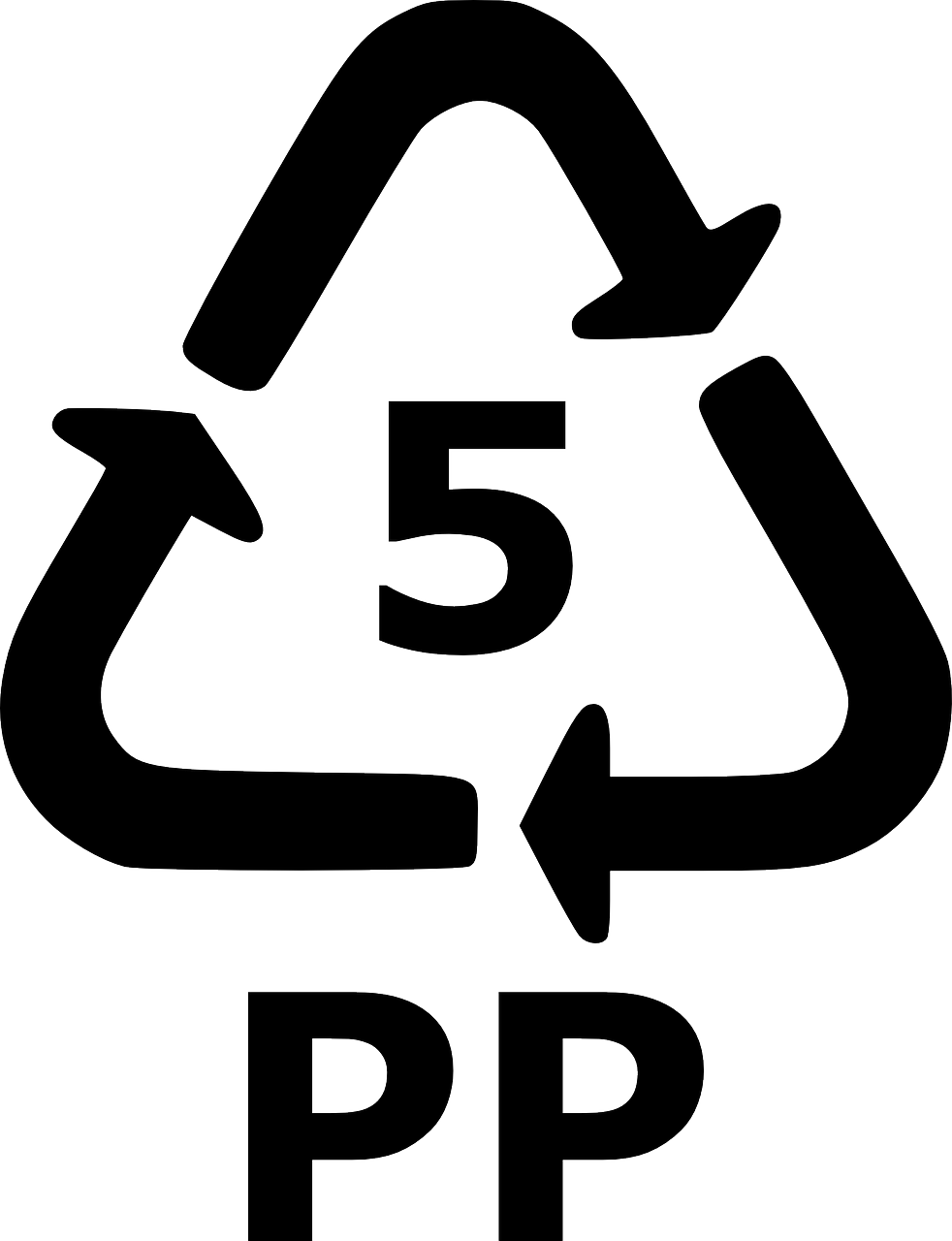
Polypropylene, or PP, is a highly durable form of plastic. It's tough, has a slippery surface, and is less dense than other common plastics, so it's useful for items that need to bend without breaking.
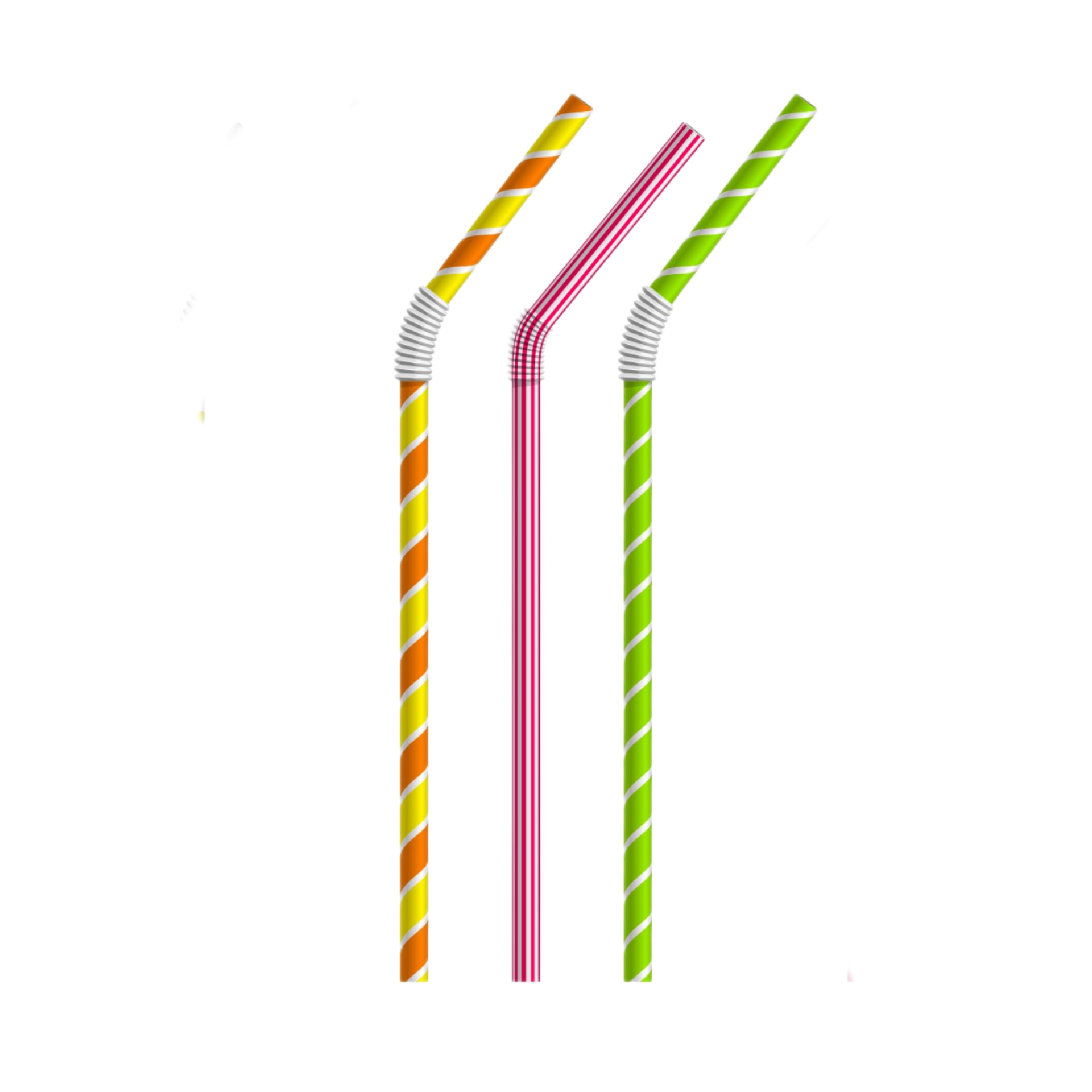
Common products: Takeout containers, prescription medicine bottles, drinking straws and cups, bottle caps, and syrup, yogurt, and margarine containers.
Can it be recycled? PP products can sometimes be recyclable.


#6: Polystyrene (PS)
PS, or polystyrene, is more commonly known as styrofoam. It's lightweight, rigid, and also one of the biggest sources of outdoor litter – which is a particular problem because it takes 500 years to break down in landfills.
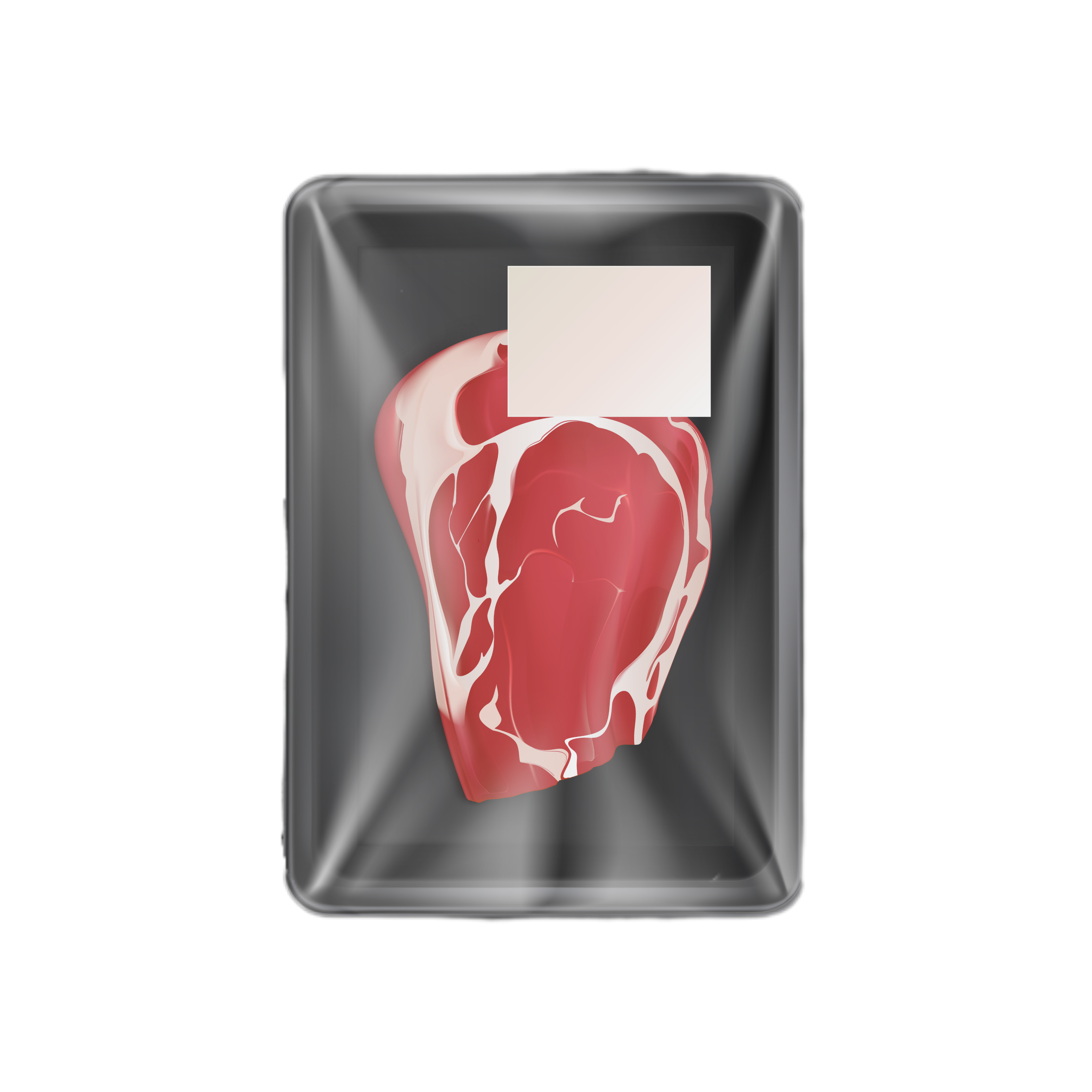
Common products: Disposable tableware, medical equipment, meat and poultry tray packaging, food containers to-go and disposable cutlery, packing peanuts, takeout containers, and building insulation.
Can it be recycled? Polystyrene is not generally recyclable.
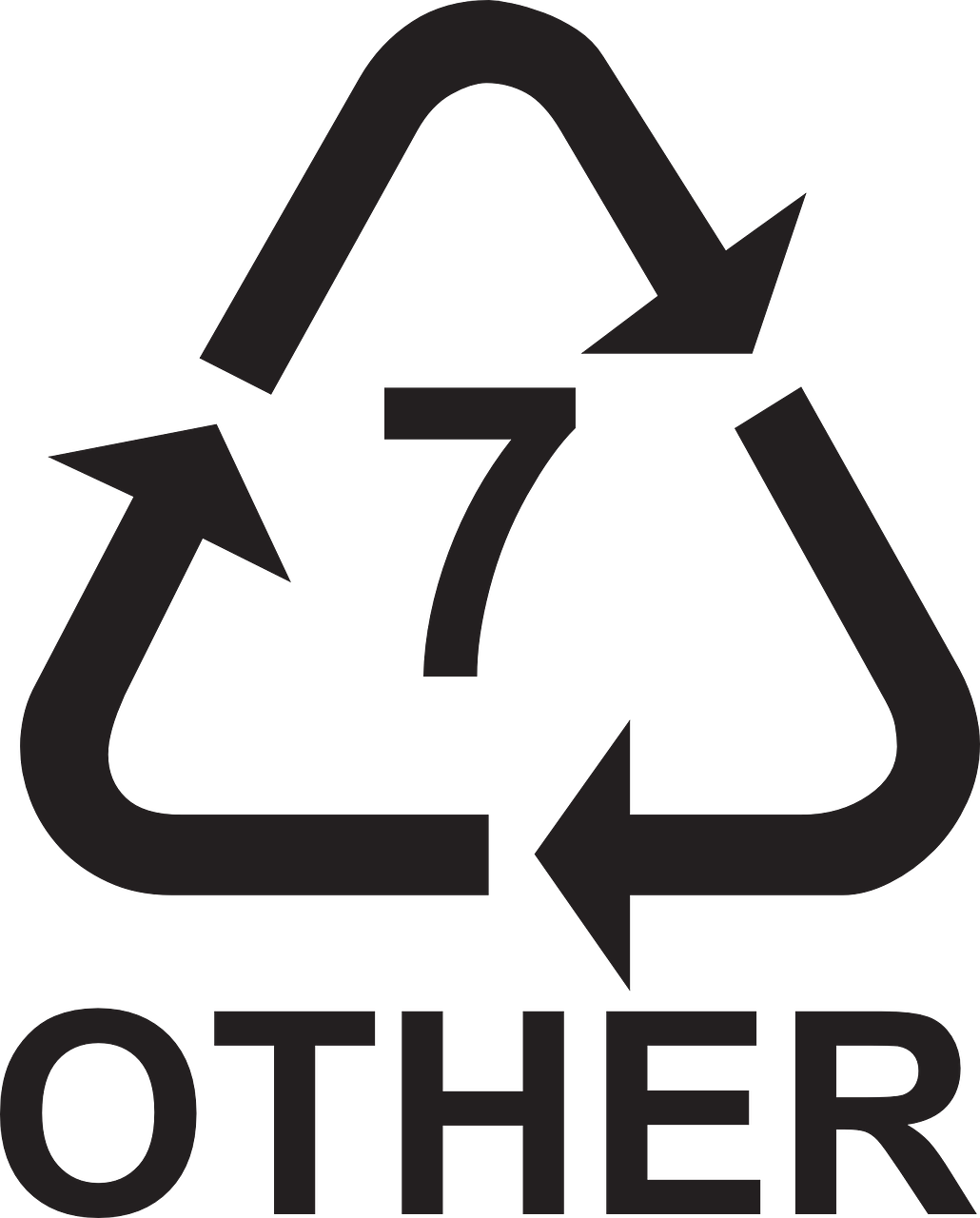
#7: Other plastics
Any type of plastic that doesn’t fit into one of the first six categories falls under this heading. Products stamped with a 7 are often made out of multiple plastic types or out of other types of plastic that can’t easily be recycled.
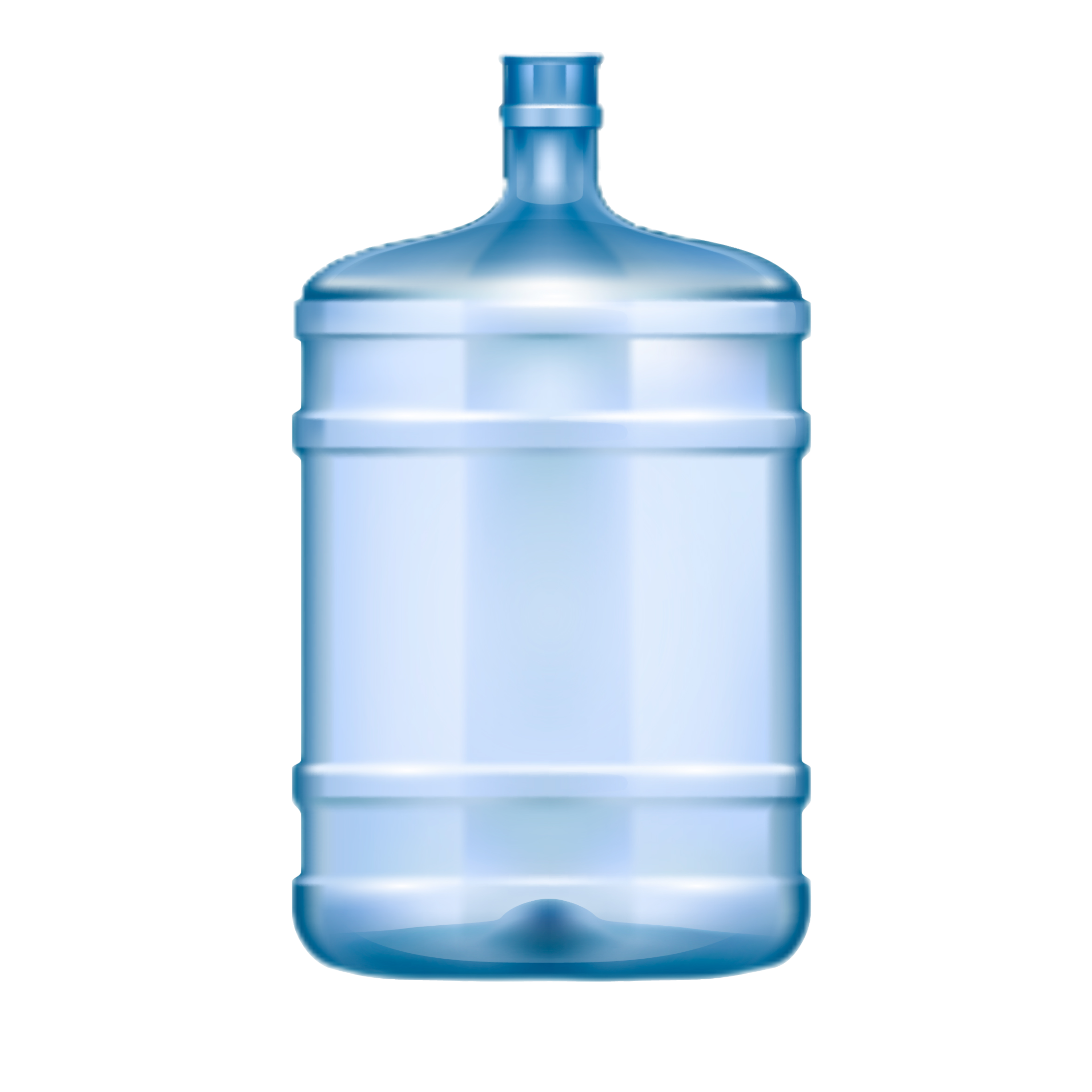
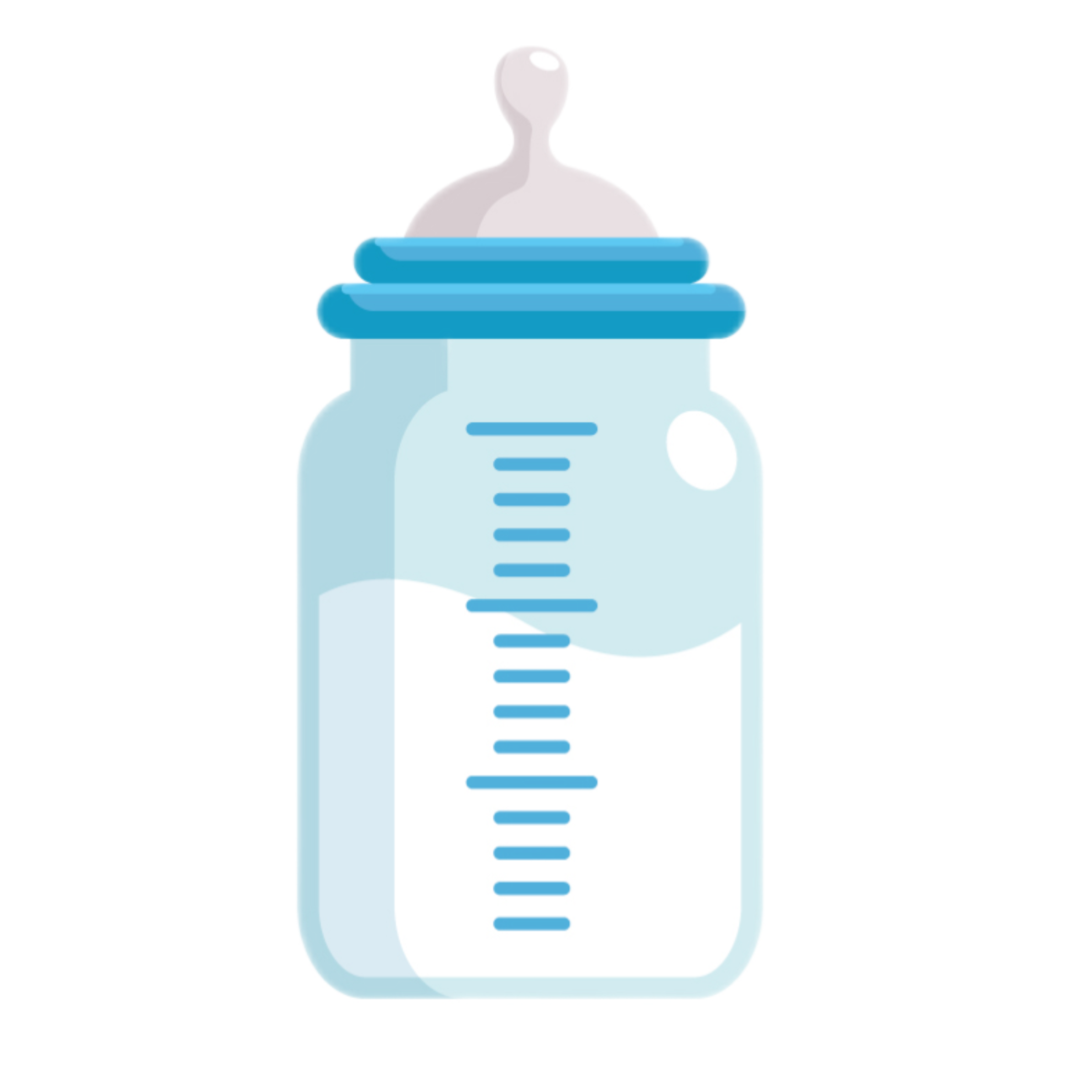
Common products: Baby bottles, DVDs, sunglasses, water jags three and five gallon water bottles, car dashboards, headlights and sun roofs, and medical devices.
Can it be recycled? #7 plastics are often not recyclable.